How Art is Helping the Transport Industry
Public art is increasingly being placed on transit vehicles, as a way to celebrate local cultures and inject creativity into the public realm. However, the process of creating public art can be complex and difficult. This is where transportation agencies and arts organizations come in to help. Through partnerships, transportation agencies can design and create public art that has cultural significance for the local community.
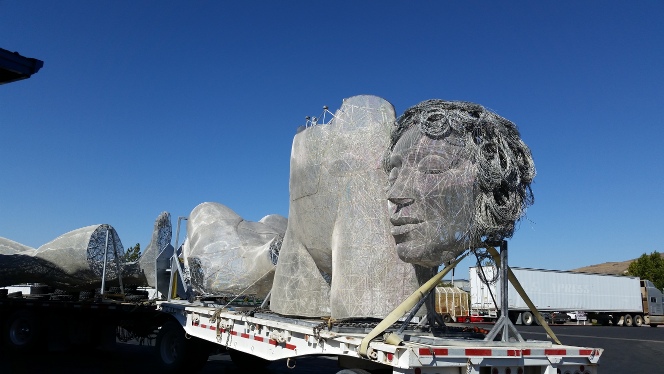
Fine art logistics
Fine art logistics is a burgeoning sector of the transport industry. Several major players are involved in the process of moving art pieces. However, this market is fragmented into various regions, such as North America, Europe, Latin America, and Rest of the World. The study provides detailed information about the industry’s current and future status, and presents key statistics on market size and competition by players.
The market size of the Fine Arts Logistics market is expected to reach US$ 4502.9 million in 2027, growing at a 4.6% CAGR. The key players in the market include art galleries, dealers, and brokers. These companies provide a range of products, ranging from packaging to shipping.
The Fine Arts Logistics market report offers a comprehensive analysis of the market, including company profiles and revenue figures. The report also considers the competitive landscape and key success factors. In addition, the report includes an extensive analysis of key vendors, product and service offerings, market share analysis, and recent market developments. The report also highlights the key trends and drivers in the Fine Arts Logistics market.
Costs of moving art
Moving art from one location to another requires special handling, packaging, and shipping services. These pieces are usually very delicate and are not easily packed and shipped by standard means. They can be made of glass, fabric, or paper, and require special handling to protect them during transit. The transportation process for art can be stressful and expensive, and it is important to choose furniture movers that specialises in art shipping.
In addition to the labor and materials required to transport pricey art, many art houses must pay huge insurance premiums to ensure that their works will be protected. Some commercial insurance agencies charge more than $100,000 for three months’ insurance for a painting by a world-renowned artist. In addition, art logistics companies must move the pieces in a highly confidential manner. The cost of moving a single painting can run anywhere from $8,000 to $12,000, depending on its size and weight.
Art moving companies must also consider the risks associated with moving the work. These risks can include breakage, wear and tear, and environmental damage. In order to protect fragile works of art, they should be carefully wrapped in acid-free tissue paper and be handled by skilled workmen. These professionals should wear gloves so that their fingerprints do not smudge the art or damage it.
Collaboration between art and transportation
Arts and culture play a vital role in transportation systems, and the transportation industry has a unique opportunity to integrate the arts into transportation projects. A new report by Transportation for America and ArtPlace America explores how arts and culture can benefit transportation projects. The research highlights how arts and culture can increase safety and ease the impact of construction and maintenance, while engaging multiple stakeholders in the planning process.
In order to foster collaborations between the art and transportation industries, several organizations have partnered with government entities to create art projects. Smart Growth America has supported programs to engage artists in state transportation agencies, including the Washington State Department of Transportation. Artists have collaborated with transportation companies on projects that focus on public understanding of transportation infrastructure, inequities in transportation history, and agency culture.